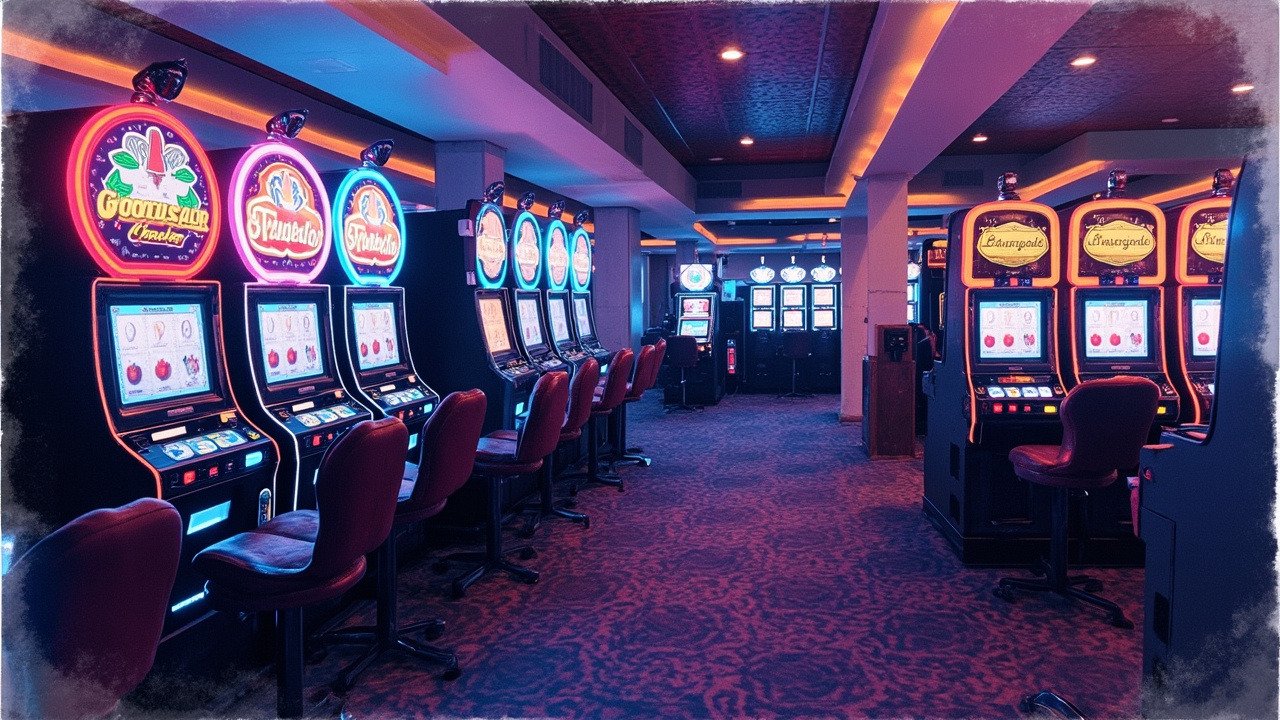
Walking into a Perth club on a Friday arvo, the pokies loyalty card land based schemes are often the first thing on the counter. Players hand over their card, hoping for comps, but the real value depends on how the venue structures rewards versus what you can get elsewhere. I’ve spent years tuning paid search and eCommerce funnels, and I know a loyalty loop only works when the return feels earned, not just promised. Some operators handle this better than others, especially when you compare their card tiers to the bonus structures you might find at places like rocket play casino codes. The trick is weighing what you get on the floor against what a digital alternative offers in your pocket.
What the Card Actually Buys You On the Floor

A land-based pokies loyalty card tracks your play and hands back points, meals, or event tickets, but the maths is rarely as generous as it sounds on a busy night. You might stack points quickly during a streak, yet the conversion rate to real value can be sluggish once you factor in play-through and venue restrictions. I’ve audited enough WordPress membership funnels to know that a loyalty tier only holds if the reward ladder is transparent and the points don’t expire before you can use them. In Perth venues, the card often doubles as your ID for entry and play tracking, which is handy, but it also means the operator controls the pace of your rewards. If you’re weighing this against digital options, you need to ask whether the comps actually match the time and money you’re putting in, or whether you’re just collecting plastic that buys you a cheap meal after a long session.
| Card Feature | Typical Land-Based Setup | What to Watch For |
|---|---|---|
| Points accrual | Tied to coin-in or time played | Check if bonus rounds count |
| Redemption window | Often 12-24 months | Expiry can wipe out slow play |
| Comp tier | Meals, drinks, event tickets | Value per point varies by venue |
| Tracking ID | Card or app-linked account | Make sure your play is logged correctly |
Payment Flow and Verification When You Switch Channels
When you move from a physical card to a digital cashier, the payment flow changes and so does the verification load, which is where many players get caught out. Deposits and withdrawals need to line up with the currency you’re using, and the processing times can swing from instant to a few business days depending on the method and the operator’s compliance checks. I’ve managed eCommerce payment gateways where verification bottlenecks killed conversion, and gambling cashiers are no different – you want clear limits, a straightforward KYC process, and no hidden holds that freeze your funds without warning. If you’re comparing a land-based card to an online account, check whether the operator supports Australian dollars natively, whether there’s a minimum withdrawal that makes small wins impractical, and whether the verification asks for documents you can actually provide without a runaround. A clean cashier flow matters more than a flashy welcome offer, because you can’t spend a bonus that never clears.
What the Experts Say About Card and Digital Balance
The people who actually design these programs reckon the balance between physical cards and digital rewards is where most operators lose players. Chloe Collins, Head of Operator Partnerships, Southern Reef Gaming, says a loyalty card only works when the venue staff can explain the tiers without reading from a script, because confused players don’t come back. Matilda Campbell, Board Member, Top End Gaming Advisory, points out that venues in Perth and around the country need to treat card data like a compliance asset, not just a marketing list, especially when players start asking about how their play is recorded. Andrew Murray, Responsible Gambling Adviser, Harbour Bet Insights, warns that a card can make spending feel invisible, so any program worth its salt should include clear session summaries and easy access to limits. These aren’t just opinions – they’re the kind of checks I apply when I’m judging whether a loyalty loop is built for retention or just for collecting data.

How to Decide What Fits Your Play Style
The decision comes down to what you actually want from the session: a night out with comps, or a digital account that tracks everything in one place. If you’re the sort who likes a physical card in your wallet and a meal voucher at the end of the arvo, a land-based program might suit you, provided the venue is upfront about how points stack and what they’re worth. If you’d rather have your play logged in an app with clear limits and a cashier that actually moves when you need it to, then you’re weighing the card against a digital setup that needs to earn your trust on payments and verification alone. I’ve seen enough campaigns fall over because the landing page promised one thing and the cashier delivered another, so treat any program – card or online – as a contract: read the terms, check the limits, and make sure the rewards match the effort before you commit your time and money. rocket play casino codes